

Learning how to crochet is easier than you might think. With just a few basic tools and simple stitches, you can start creating beautiful handmade projects in no time.
This beginner-friendly guide will walk you through the essential steps - from understanding the basics to learning your first stitches - so you can start crocheting with confidence.

Table of contents
- Before You Start: What You Need
- Step 1: Learn How to Hold Your Hook and Yarn
- Step 2: Make a Slip Knot and Chain Stitch
- Step 3: Learn the Basic Crochet Stitches
- Step 4: Practice with a Simple Project
- Step 5: Explore More Crochet Ideas
- Essential Crochet Skills to Learn Next
- Tips for Beginner Crocheters
- Frequently Asked Questions
- What to Learn Next
- Stay Connected
- Comments
Before You Start: What You Need
Before learning how to crochet, it's important to have the right tools and materials ready.
If you're new, start with our crochet beginner essentials guide to get the tools, yarn, and basics you need for your first project.
Having the right setup will make learning easier and more enjoyable..
Step 1: Learn How to Hold Your Hook and Yarn
One of the first things to learn is how to comfortably hold your crochet hook and yarn. There's no single "right" way - what matters most is finding a grip that feels natural and allows you to control your tension.
Take your time here - this step builds the foundation for everything else.
Step 2: Make a Slip Knot and Chain Stitch
Every crochet project begins with a slip knot and a foundation chain.
- The slip knot attaches your yarn to the hook
- The chain stitch forms the base for your work
Learn how to create your first chain stitch step-by-step in this guide: how to crochet a chain stitch
Step 3: Learn the Basic Crochet Stitches
Once you've made a chain, the next step is learning the core stitches used in most crochet projects.
Instead of trying to learn everything at once, start with these essential stitches:
Single Crochet
A simple, beginner-friendly stitch that creates a tight, dense fabric.
- Follow the full step-by-step tutorial here: how to single crochet
Half Double Crochet
A slightly taller stitch that works up quickly while still maintaining structure.
- Learn how to make it here: how to half double crochet
Double Crochet
One of the most commonly used stitches - great for blankets and larger projects.
- See the full tutorial: how to double crochet
Slip Stitch
Used for joining, shaping, and finishing your crochet work.
- Learn how to use it here: how to slip stitch
Want to explore more stitches?
Check out our full crochet stitch tutorials and techniques to build your skills step by step.
Step 4: Practice with a Simple Project
The best way to learn crochet is by practicing with a small, simple project.
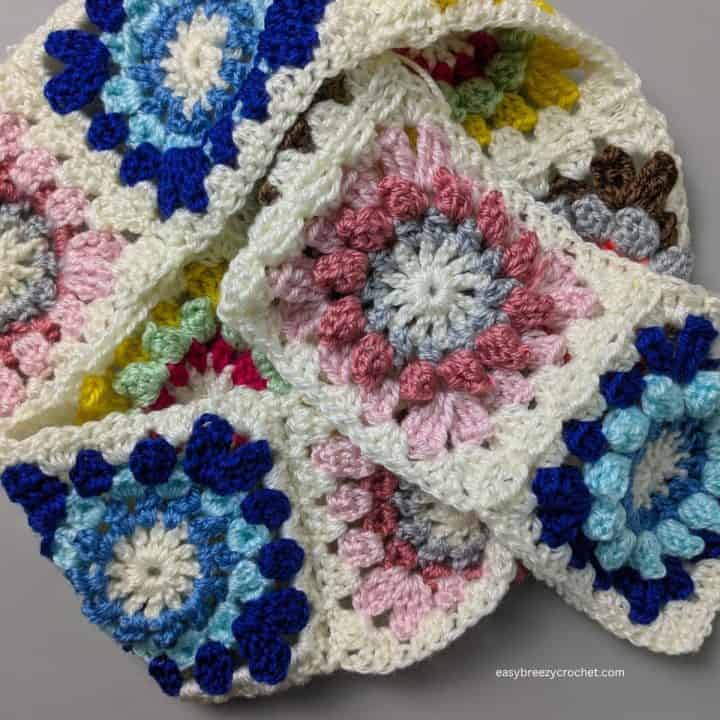
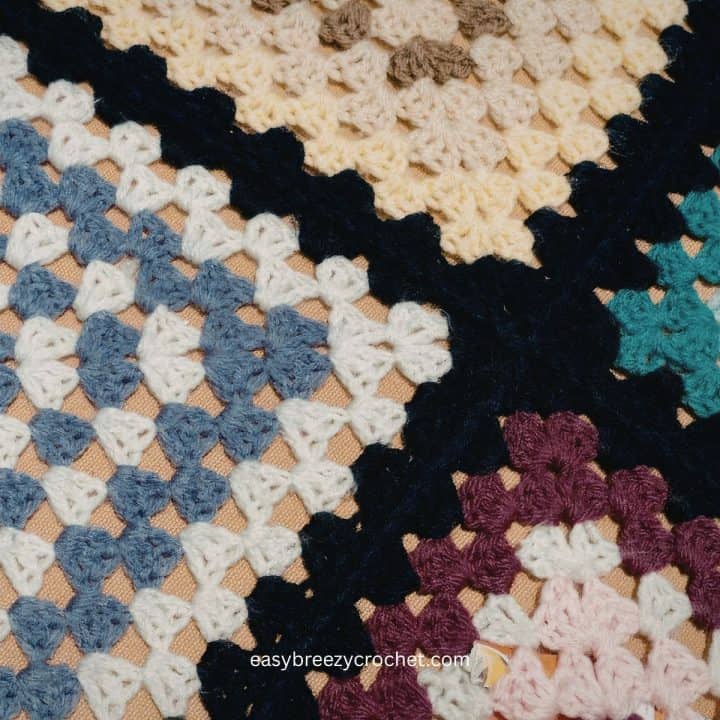
A granny square is a perfect beginner project because it uses basic stitches and helps you build confidence.
Start here: how to crochet a granny square
Step 5: Explore More Crochet Ideas
Once you've mastered the basics, you can start exploring different patterns and designs.
- Browse our collection of granny square patterns
You'll find plenty of inspiration for your next project.
Essential Crochet Skills to Learn Next
How to Read a Crochet Pattern
Crochet patterns use a mix of abbreviations and structure to guide you through a project. Learning how to read them will help you follow patterns with confidence.
- Learn how to read patterns step-by-step in our guide to crochet patterns
Crochet Terms and Abbreviations
Most crochet patterns use standard abbreviations to keep instructions short and easy to follow.
- See a full list in our crochet terms and abbreviations guide
How to Join Yarn in Crochet
At some point, you'll need to add new yarn when your current strand runs out or when changing colours.
- Learn how to join yarn smoothly in our step-by-step guide
How to Change Color in Crochet
Changing colors is a simple way to add interest and design to your projects.
- Follow our guide on how to change colour in crochet
Tips for Beginner Crocheters
- Start with simple patterns and basic stitches
- Keep your tension relaxed and consistent
- Practice regularly - even small projects help
- Don't worry about mistakes - they're part of learning
Frequently Asked Questions
Most beginners can learn the basics in a few hours, but confidence comes with practice.
The single crochet stitch is usually the easiest to learn first.
Start with a small project like a granny square or simple dishcloth.
What to Learn Next
Now that you've learned how to crochet, continue building your skills:
- Crochet beginner essentials (tools & setup)
- Crochet stitch tutorials and techniques
- Granny square guide
Each step will help you grow your skills and try more advanced projects.
Learning how to crochet is a fun and rewarding skill that opens the door to endless creative possibilities.
By starting with the basics and building your skills step by step, you'll quickly gain the confidence to create your own crochet projects.
Stay Connected
Pin this post - Pin now to and take your skills to the next level.
Leave a comment - We're excited to hear your thoughts! Leave a comment below and let us know what you think.
Share on Instagram or Facebook - Capture the beauty of your finished crochet projects and share it on Instagram or Facebook! Tag us @easybreezycrochet or #ebcrochetcreations so we can see your work!
Copyright Notice - This pattern and its contents are protected by copyright law. It may not be copied, altered, redistributed, resold, translated, or used to produce video tutorials in any format, either in whole or in part.
You are permitted to sell finished items made using this pattern. However, the written pattern itself may not be sold, shared, or distributed in any form. When marketing or displaying your finished items, please photograph your own work and refrain from using any of my original images.
Sharing Guidelines For Roundups - Bloggers you are welcome to include this pattern in roundup posts, as long as you use one photo and link directly back to the original post. For full details, please refer to my Terms of Use page.
Comments
No Comments