

Learning how to decrease in crochet is essential for shaping your projects. Whether you're making amigurumi, garments, or hats, crochet decreases help you reduce stitches smoothly and create clean, professional results.
In this guide, you'll learn the most important crochet decrease techniques, when to use them, and how to avoid common mistakes.
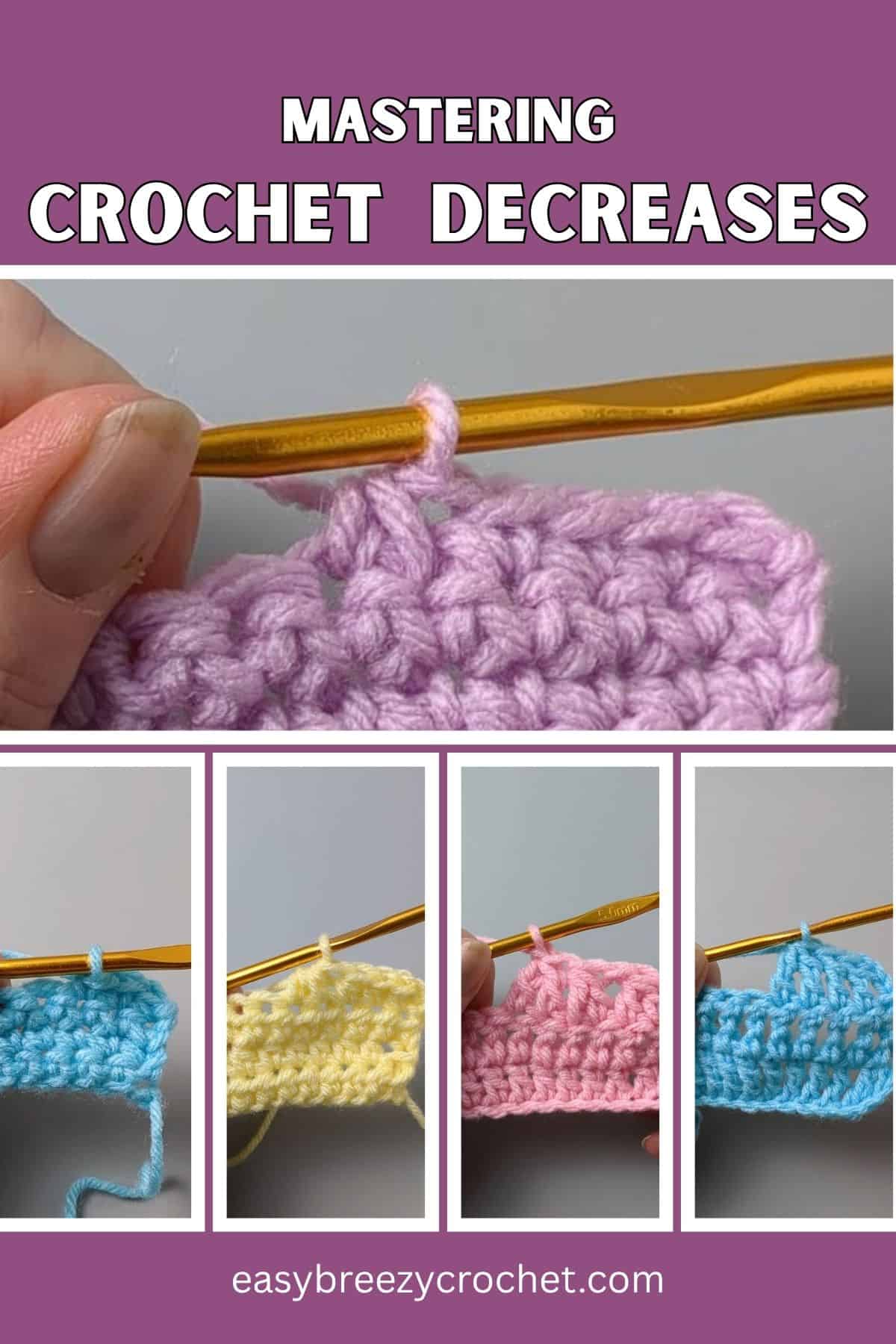
Table of contents
- What is a Crochet Decrease?
- How to Decrease in Crochet (Quick Steps)
- Types of Crochet Decreases
- Step-by-Step: How to Do a Basic Decrease
- Watch Crochet Decreases in Action
- When to Use Crochet Decreases
- Choosing The Right Decrease
- Common Crochet Decrease Mistakes
- Beginner Tips
- Crochet Decreases FAQs
- Master Crochet Shaping
- Stay Connected
- Comments
What is a Crochet Decrease?
A crochet decrease is a technique that combines two or more stitches into one, reducing your stitch count.
Decreases are used to:
- Shape crochet pieces
- Taper fabric
- Create curves and structure
How to Decrease in Crochet (Quick Steps)
Most crochet decreases follow this pattern:
- Start the first stitch (do not complete it)
- Start the next stitch
- Yarn over
- Pull through all loops
This combines multiple stitches into one.
Types of Crochet Decreases
There are several types of decreases depending on the stitch you're using.
1 - Single Crochet Decrease (sc2tog)
The most common beginner decrease is the sc2tog stitch.
- Combines 2 stitches into 1
- Easy to learn
- Used in most patterns
Best for: general shaping and beginners
2 - Invisible Decrease
The invisible decrease is a refined version of sc2tog that creates a smoother finish.
- Uses front loops only
- Reduces gaps and holes
- Ideal for amigurumi
Best for: seamless, professional results
3 - Half Double Crochet Decrease (hdc2tog)
The hdc2tog stitch is used when working medium size stitches.
- Medium-height decrease
- Balanced texture
- Used in garments and accessories
Best for: patterns using half double crochet
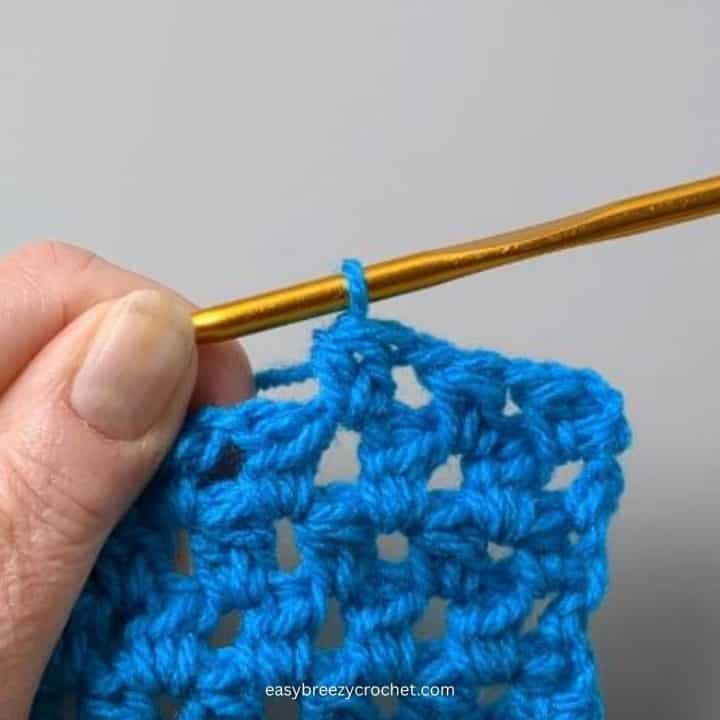
4 - Double Crochet Decrease (dc2tog)
The dc2tog stitch is used when working with taller stitches.
- Combines 2 double crochet stitches
- Common in garments and blankets
Best for: patterns using double crochet
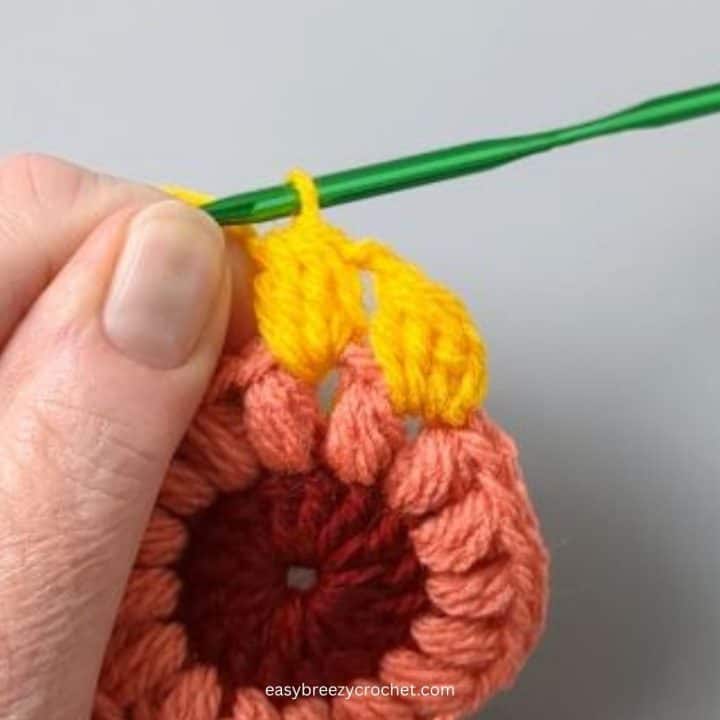
5 - Treble Crochet Decrease (tr2tog)
- Tall crochet decrease stitch
- Reduces stitch count while keeping height
- Creates shaped, tapered, and angled edges
- Works well in lace, shawls, garments, and lightweight designs
Learn more about crochet shaping with treble stitches
6 - Cluster Decreases
Cluster stitches (like dc2cluster or dc3cluster) also act as decreases.
- Multiple stitches worked together
- Adds texture while reducing stitches
Best for: decorative shaping
Step-by-Step: How to Do a Basic Decrease
- First stitch - Insert hook and pull up a loop
- Second stitch - Insert hook into next stitch and pull up a loop
- Combine stitches - Yarn over and pull through all loops
Decrease complete
Watch Crochet Decreases in Action
Seeing crochet decreases in action makes them much easier to understand - especially for beginners.
SC2tog stitch (single crochet 2 together) - the most common beginner decrease.
Invisible decrease (invdec) - creates a smooth, gap-free finish (perfect for amigurumi).
Hdc2tog stitch (half double crochet decrease) - best for projects using the half double crochet stitch.
DC2tog stitch (double crochet decrease) - ideal for garments and larger projects.
TR2tog stitch (treble crochet decrease) - ideal for shaping lace, shawls, garments, and lightweight projects while maintaining height and an open fabric.
When to Use Crochet Decreases
Use decreases when you need to:
- Shape amigurumi (heads, bodies, limbs)
- Create curves in garments
- Narrow sleeves or waistlines
- Taper hats and beanies
- Control stitch count in patterns
Try These Patterns:
See how crochet decreases are used in real projects:
- Crochet mini octopus pattern - uses invisible decrease for smooth shaping
- Sitting crochet angel pattern - invisible decrease helps create clean curves
- Crochet heart pillow pattern - uses sc2tog stitch for shaping
- Easy adult crochet beanie - uses dc2tog stitch to taper the crown
- Snowflake potholder hot pad - uses dc2tog stitch for structure and shaping
Choosing The Right Decrease
| Situation | Best Decrease |
| Beginner projects | SC2tog |
| Smooth finish (no gaps) | Invisible decrease |
| Medium height stitches | HDC2tog |
| Taller stitches | DC2tog |
| Decorative texture | Cluster stitches |
Common Crochet Decrease Mistakes
- Completing stitches too early - Always leave stitches unfinished until the final step
- Tight tension - Makes it hard to pull through loops
- Miscounting stitches - Decreases reduce stitch count-track carefully
- Using wrong technique - Invisible decrease vs sc2tog matters for appearance
Beginner Tips
- Use stitch markers to track decreases
- Practice on small swatches
- Keep tension even
- Follow pattern instructions closely
Crochet Decreases FAQs
It means combining stitches to reduce stitch count.
The sc2tog stitch is the easiest for beginners.
- tight tension
- incorrect stitch placement
- using the wrong decrease method
Use it when you want a smooth, gap-free finish - especially in amigurumi.
What To Learn Next
Now that you've learned crochet decreases, try:
- invisible decrease (advanced shaping)
- half double crochet
- dc3cluster stitch (texture + shaping)
- reverse single crochet (finishing edges)
Master Crochet Shaping
Mastering crochet decreases gives you full control over your projects. From shaping soft toys to creating fitted garments, this skill is essential for taking your crochet to the next level.
Practice consistently, experiment with different decrease methods, and you'll quickly gain confidence.
Stay Connected
Pin this post - Pin now to and take your skills to the next level.
Leave a comment - We're excited to hear your thoughts! Leave a comment below and let us know what you think.
Share on Instagram or Facebook - Capture the beauty of your finished crochet projects and share it on Instagram or Facebook! Tag us @easybreezycrochet or #ebcrochetcreations so we can see your work!
Copyright Notice - This pattern and its contents are protected by copyright law. It may not be copied, altered, redistributed, resold, translated, or used to produce video tutorials in any format, either in whole or in part.
You are permitted to sell finished items made using this pattern. However, the written pattern itself may not be sold, shared, or distributed in any form. When marketing or displaying your finished items, please photograph your own work and refrain from using any of my original images.
Sharing Guidelines For Roundups - Bloggers you are welcome to include this pattern in roundup posts, as long as you use one photo and link directly back to the original post. For full details, please refer to my Terms of Use page.
Comments
No Comments